Clean your dishwasher filter
A dirty removable filter can leave food residue on dishes. Check your model manual first: some dishwashers use a filter that needs no routine cleaning.
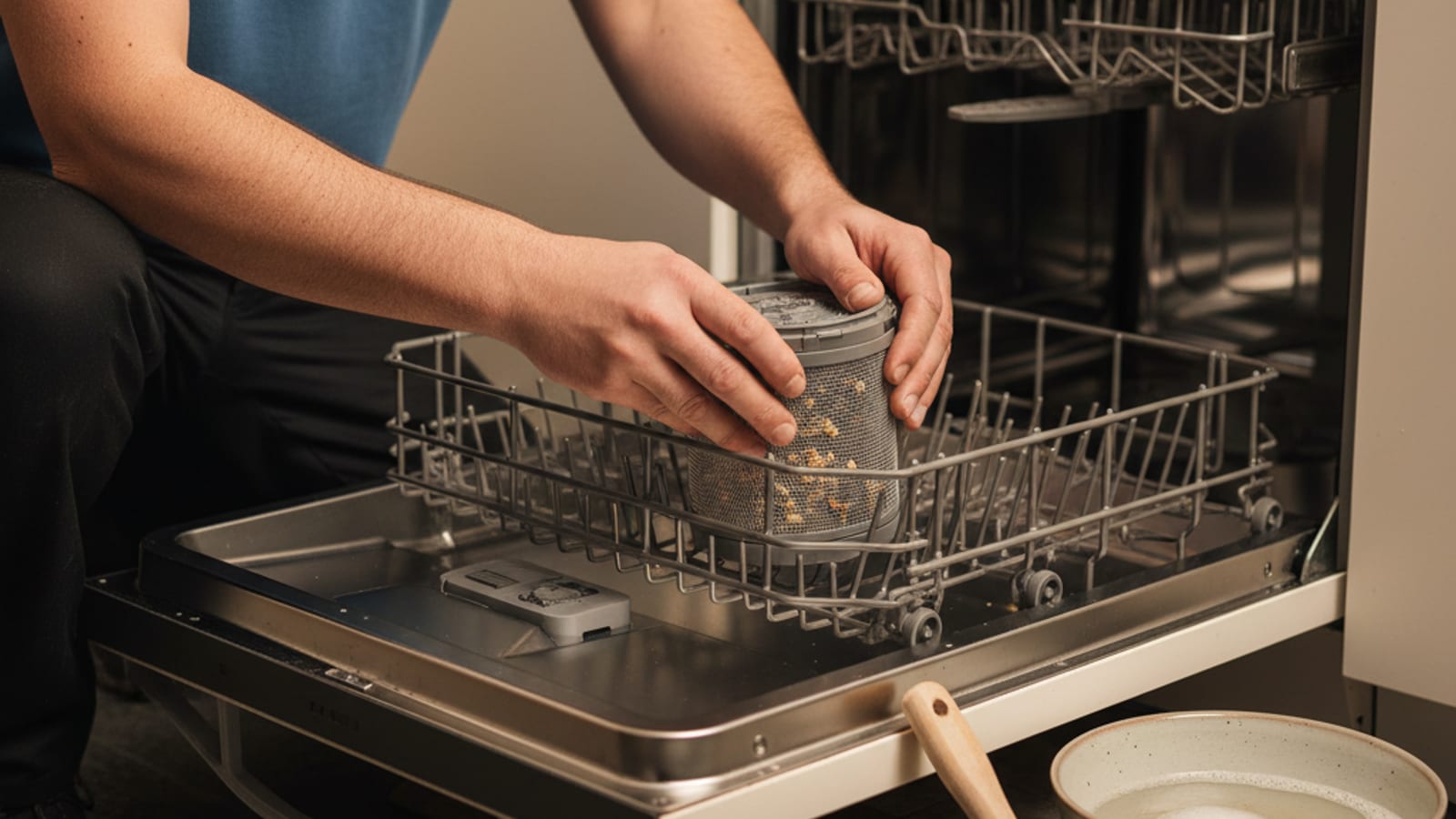
What you'll learn
- How to identify a removable filter in your model manual
- Why gritty dishes can be a clue to filter buildup
- How cleaning methods differ between filter designs
- How to reinstall and lock the filter before running a cycle
Step by step
- Stop the cycle and let the dishwasher cool. Remove the lower rack to reach the filter described in your manual.
- Release the removable filter using the model-specific instructions. Do not force a part that is not intended for removal.
- Rinse away debris using the water temperature and cleaning method specified by the manufacturer. Avoid abrasive pads; use a soft brush only if the instructions allow it.
- Reinstall every filter piece and lock it in position as directed. Do not run the dishwasher with its required filter removed.
- If residue persists, check loading, detergent, rinse aid, and spray-arm obstructions using the manual before arranging diagnosis.
Watch for broken glass around the filter and do not reach into the pump opening. Spotting alone does not prove a clogged filter or failed motor. GE says removable Fine and Ultra Fine filters should be inspected periodically, about every other month or more with heavy use, and that some current and older GE models use self-cleaning filtration with no removable filter.
Source instructions
Use the instructions for your exact model before starting maintenance.
Rather have a pro handle it?
We match you with a vetted local appliance tech across San Diego County. Leave a message and we call you back.
Keep learning.
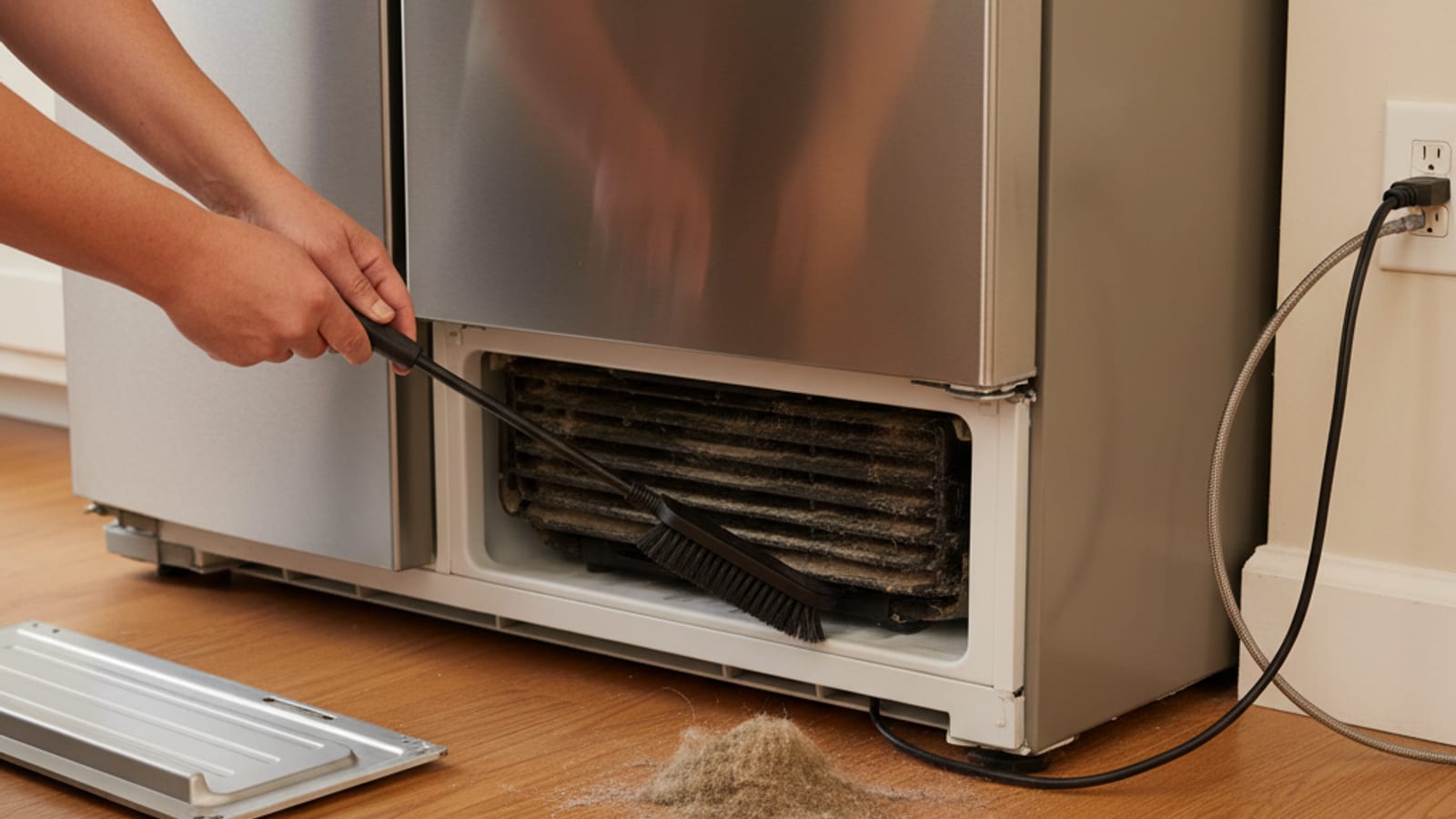
Clean your refrigerator condenser coils
Check your refrigerator manual before cleaning condenser coils. Some models have accessible coils; others need no routine cleaning or require a technician.
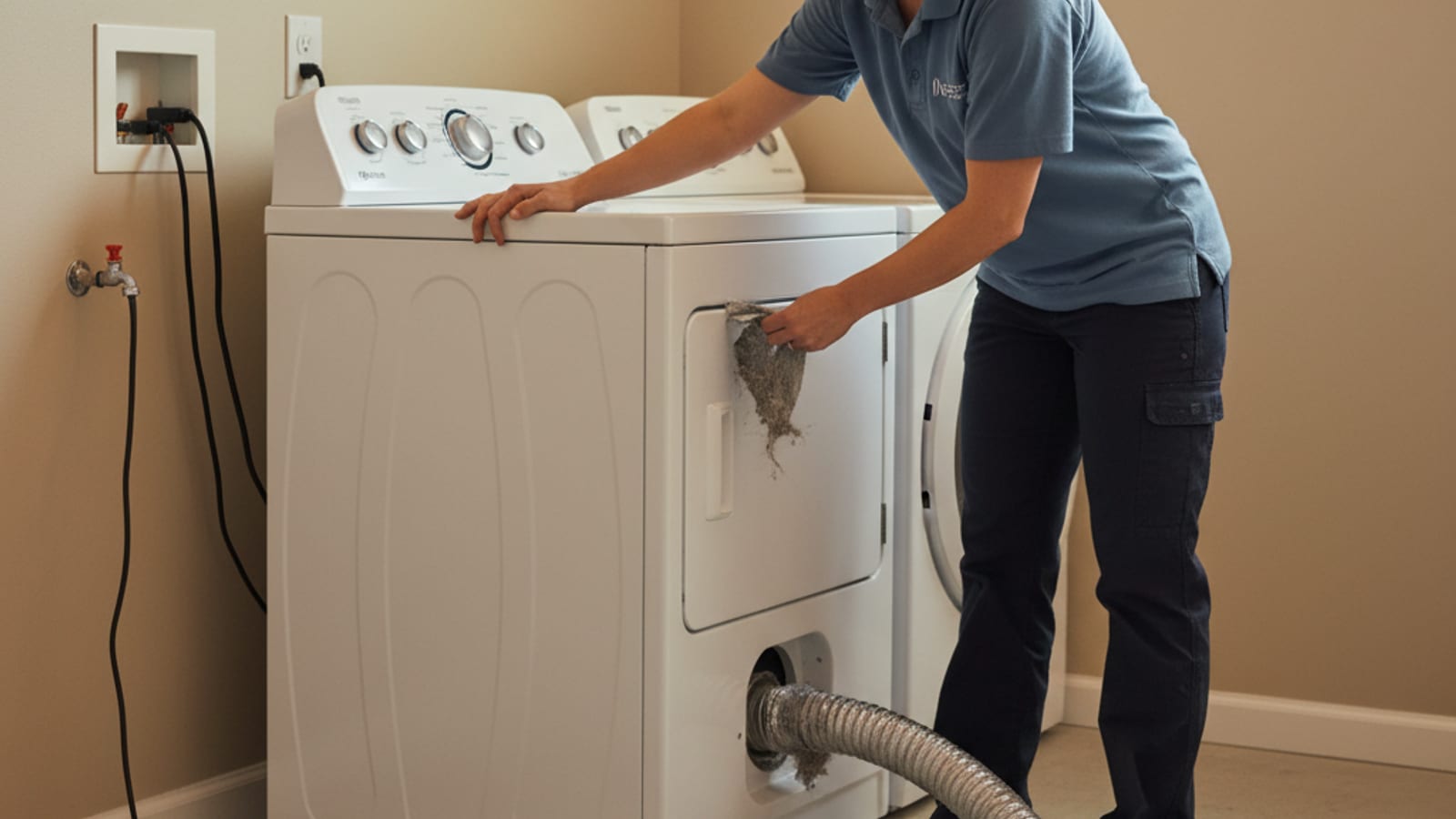
Clean your dryer vent line
Lint buildup and restricted venting can increase dryer fire risk and slow drying. Check the lint filter and accessible venting, following your model manual.
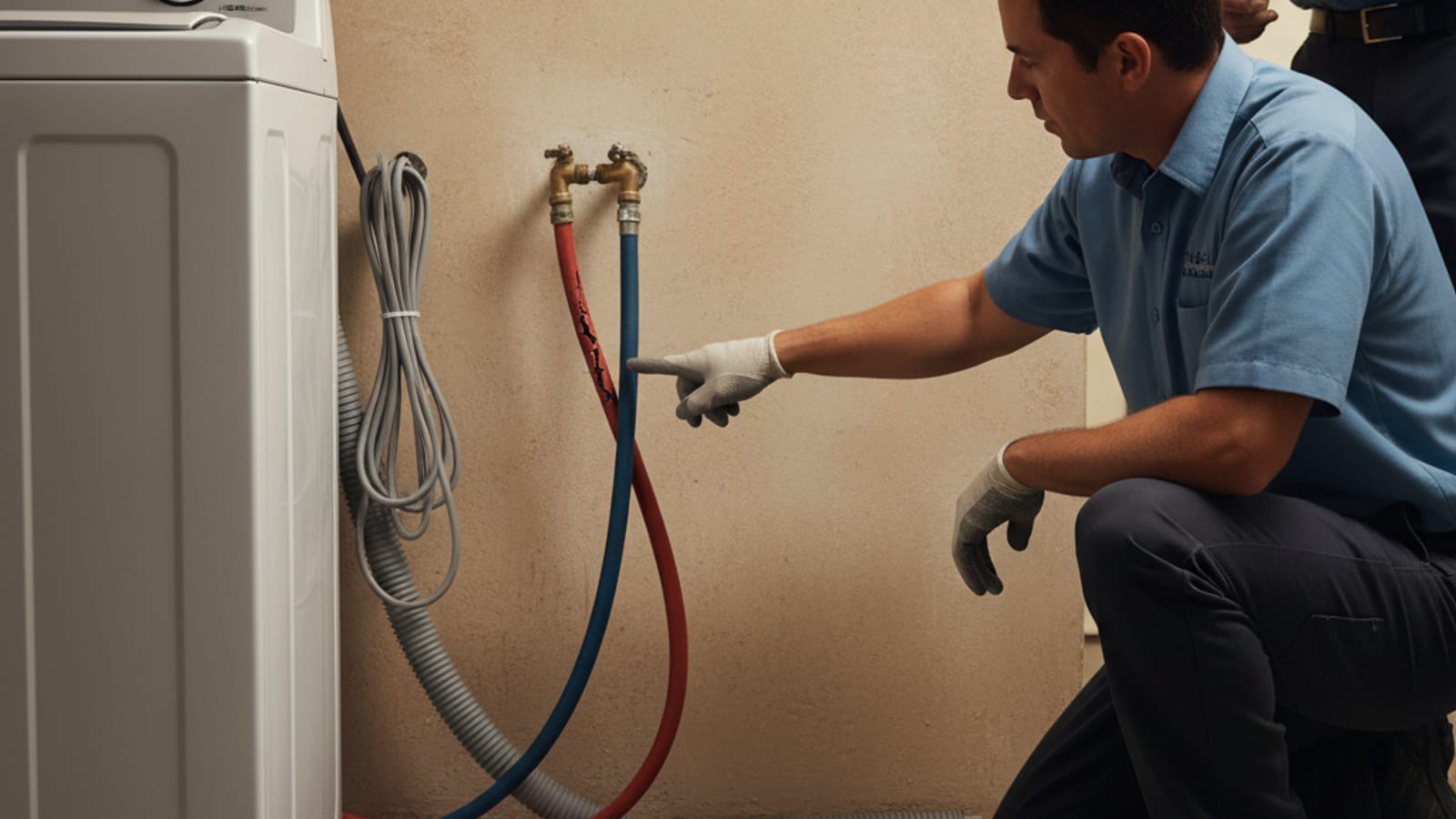
Check and replace washing machine supply hoses
Inspect washer supply hoses for leaks, bulges, cracks, kinks, or worn connections. Follow the washer and hose instructions for replacement and installation.