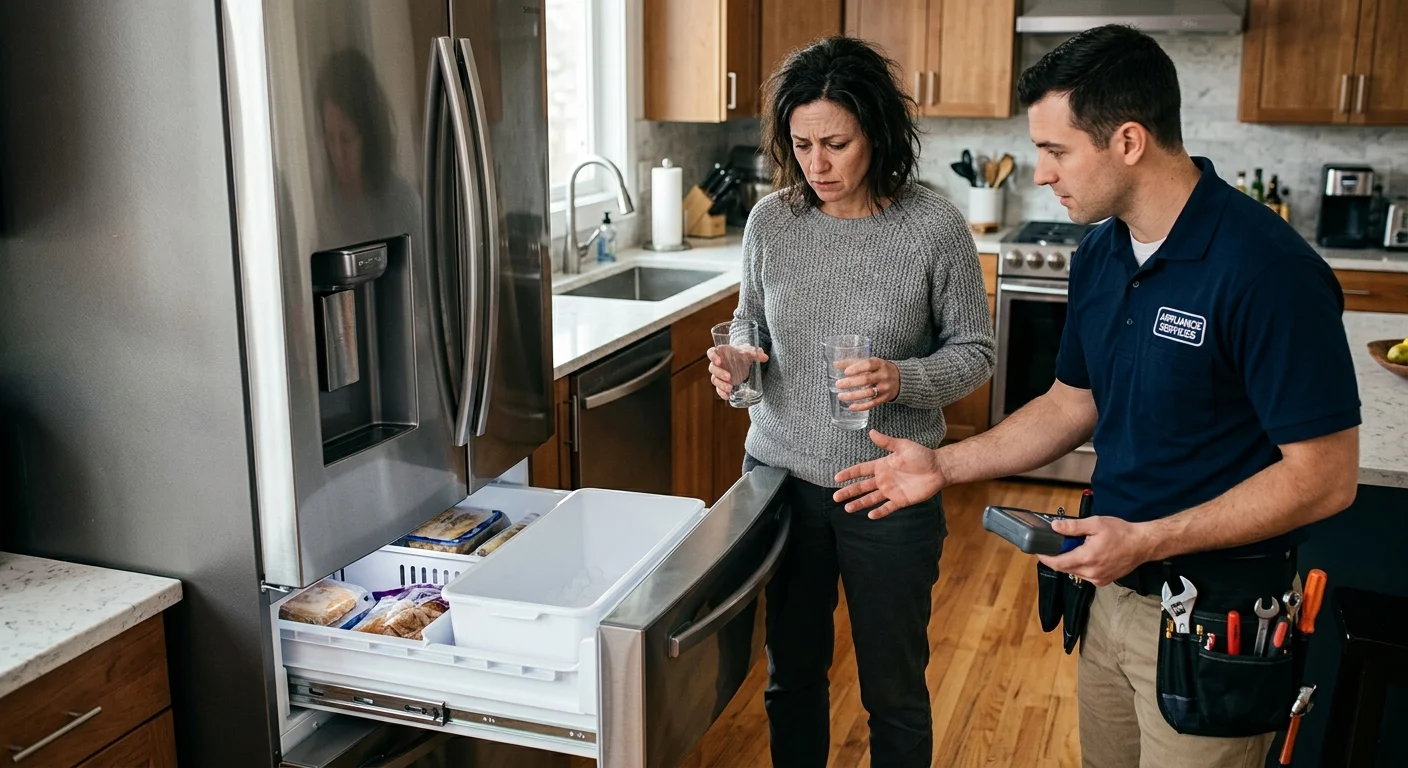
There’s nothing quite as frustrating as reaching for ice on a warm San Diego day, only to find your Samsung refrigerator’s ice maker isn’t doing its job. Whether it’s producing no ice, not dispensing, or just making strange noises, a non-working ice maker is a common complaint. Before you throw in the towel, many issues have simple solutions you can try yourself.
Why Samsung ice makers are a common repair call in San Diego
Samsung refrigerators are popular in San Diego homes, known for their sleek designs and smart features. However, their ice makers are also quite well-known for specific quirks and problems. We often get calls from homeowners dealing with these issues. One of the biggest culprits can be ice buildup in the ice maker compartment or the fill tube, which stops water from reaching the tray. This can happen due to temperature fluctuations, slight defrost cycle issues, or even humidity levels, which San Diego experiences.
Another common factor is how frequently the appliance gets used. Many families rely heavily on their ice maker, especially in our warm climate. Constant use means more wear and tear on components like the auger motor, sensors, and water valves. Certain models, especially French door and side-by-side configurations, are more prone to these issues due to their design, often integrating the ice maker directly into the refrigerator compartment which can struggle with consistent temperatures. If you’re encountering these issues, rest assured you’re not alone. Techs in our network specialize in Samsung appliance repair in San Diego and see these problems regularly.
Step 1: check the simple stuff first
Before diving into more complex troubleshooting, let’s make sure you haven’t overlooked any basic settings or common obstructions. These quick checks can often resolve the problem without needing tools or a service call.
First, check the obvious: is the ice maker actually turned on? Many Samsung models have a small power switch on the ice maker unit itself, or an option within the refrigerator’s control panel. Sometimes, it gets accidentally switched off. Next, ensure the ice bucket is correctly seated and not overfilled. An overfilled bucket can jam the dispenser mechanism.
Next, inspect the water line connected to your refrigerator. It might be kinked, frozen, or simply disconnected. Follow the line from the back of the fridge to the wall. Ensure the shut-off valve for the water supply is fully open. If the water filter is old or clogged, it can restrict water flow to the ice maker. Most manufacturers recommend replacing your refrigerator water filter every six months. If you haven’t done it recently, try replacing it. Lastly, verify the freezer temperature. If the freezer isn’t cold enough (ideally between 0-5°F or -18 to -15°C), the ice maker won’t produce ice or will make soft, slushy cubes that can jam.
Step 2: how to force defrost your Samsung ice maker
Many Samsung ice maker problems stem from ice buildup around the fill tube or within the ice maker assembly itself. This often happens because warm air seeps into the ice maker compartment, or a slight design flaw allows moisture to freeze where it shouldn’t. A manual, or “force defrost,” can clear this obstruction.
To force defrost, first, empty the ice bucket completely. Next, unplug your refrigerator from the wall outlet. This is an essential safety step. Now, open both refrigerator doors and leave them open for at least 4-8 hours, or even overnight. This allows the entire ice maker assembly, and any hidden ice buildup, to completely melt. You might want to place towels on the floor around the refrigerator to catch any melting water. Don’t rush this process; a thorough defrost is key. Some people use a hairdryer on a low setting to speed up the melting process around the ice maker unit, but be extremely careful not to get water or heat directly on electrical components.
Once fully defrosted, dry the ice maker compartment and the surrounding areas thoroughly. Re-plug your refrigerator and give it several hours to cool down to its set temperature. It might take 12-24 hours for the ice maker to start producing ice again, as the system needs to reach optimal conditions and run through its first ice-making cycle. If the issue was purely due to ice blockage, this step often resolves it.
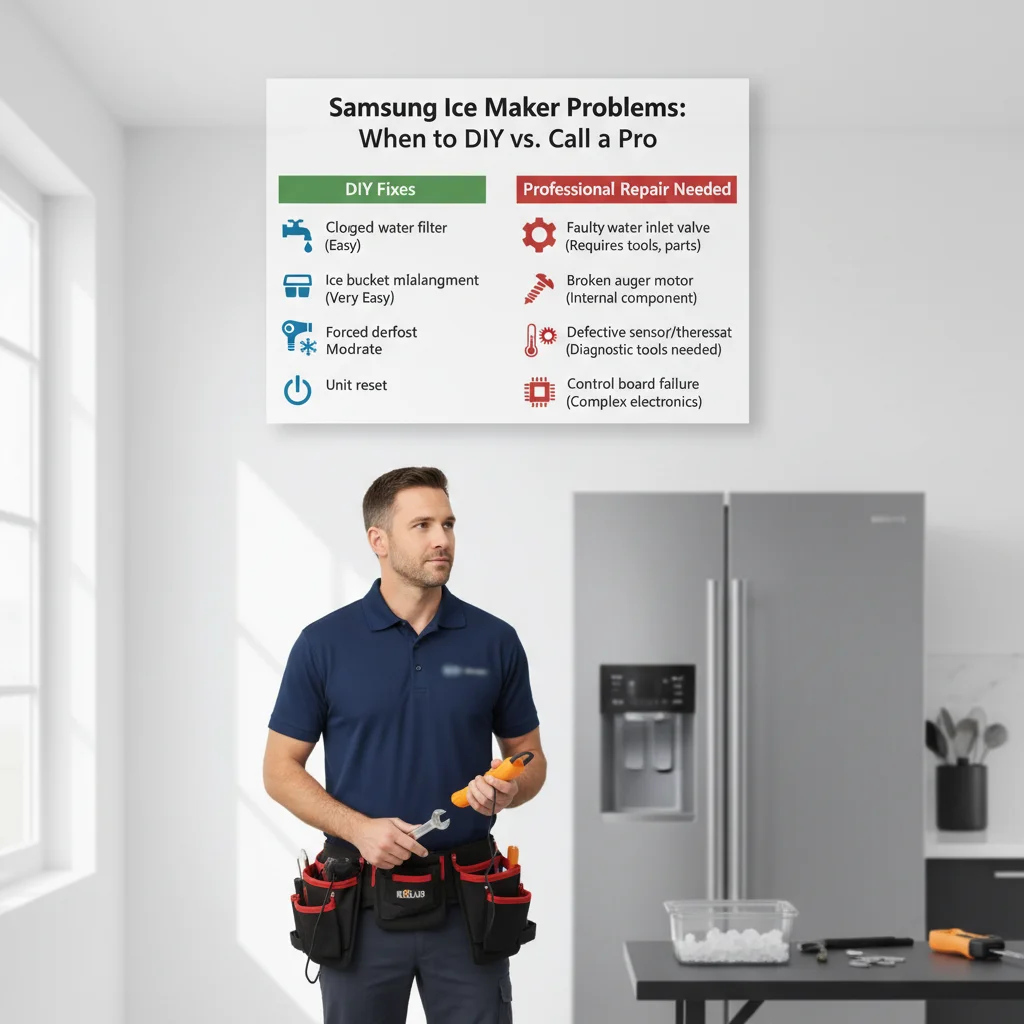
Step 3: resetting the ice maker unit
Sometimes, the ice maker’s control board or sensor gets confused, causing it to stop producing ice. A simple reset can often clear these errors and get things working again. The exact location of the reset button can vary slightly by model, but it’s usually easy to find once you know where to look.
First, open your freezer door. The ice maker unit is typically located at the top of the freezer compartment, or inside the door of French door models. Carefully remove the ice bucket. Look closely at the bottom or front of the ice maker assembly. You’re searching for a small, often recessed, button. It’s usually labeled “Test” or “Reset.” It might be a small, black button, sometimes requiring a pen or a straightened paper clip to push.
Press and hold this button for about 3-5 seconds, or until you hear a chime or see the ice maker arm move. This initiates a test cycle and often resets the unit’s internal diagnostics. Once reset, replace the ice bucket and close the freezer door. Again, give your refrigerator several hours, usually up to 24, to cycle through and start making ice. If the reset doesn’t work after a day, you might be dealing with a more complex issue.
Known issues with French door and side-by-side models
Samsung’s French door and side-by-side refrigerators, while aesthetically pleasing, often house their ice makers in the fresh food compartment door. This design decision, while saving freezer space, introduces specific challenges. The warmer environment in the refrigerator compartment can cause the ice maker’s internal components to freeze up more frequently than traditional freezer-mounted units.
One prevalent issue is the ice maker freezing over entirely, preventing new ice from forming or dispensing. This can be due to a faulty gasket allowing warm air in, or a drainage issue in the ice maker tray itself. Another common problem is the auger motor. This motor is responsible for turning the auger, which pushes the ice out of the bucket and into your glass. If the motor fails, you might hear a humming sound but no ice will dispense, or it might struggle and eventually stop. We see a lot of these problems during routine ice maker repair visits across San Diego County.
Furthermore, issues with the ice maker’s sensors, such as the thermistor or the optical sensor, can cause it to stop producing ice because it “thinks” the bucket is full or the temperature isn’t right. These specific model issues often go beyond simple DIY fixes and typically require professional diagnosis and specialized parts.
When it’s time to call a professional for repair
While the troubleshooting steps above can resolve many common Samsung ice maker problems, there are times when a professional touch is absolutely necessary. If you’ve tried all the DIY fixes (checking the water line, replacing the filter, force defrosting, and resetting the unit) and your ice maker still isn’t working, it’s likely a more complex internal issue.
Professional appliance technicians have the diagnostic tools and experience to identify problems like a faulty water inlet valve, a broken auger motor, a malfunctioning main control board, or a defective temperature sensor. These components require specialized knowledge and parts to repair safely and effectively. For instance, a persistent leak or a complex electrical fault within the ice maker assembly isn’t something a homeowner should attempt to fix, as it could lead to further damage or even safety hazards.
The technicians in our network are familiar with the intricate workings of Samsung appliances and can quickly diagnose whether you need a simple part replacement or a more involved refrigerator repair. Attempting to repair complex issues yourself can void warranties, cause more damage, or even pose a safety risk. When in doubt, especially with electrical components or sealed systems, it’s always best to consult with a qualified professional.
Frequently asked questions
Why does my Samsung ice maker keep freezing up?
Ice buildup in the fill tube or around the tray is the most common cause, and it happens when warm air seeps into the ice maker compartment. A full manual defrost, which means unplugging the fridge and leaving the doors open for 4 to 8 hours, clears the blockage. If it keeps coming back, a faulty door gasket or a borderline defrost cycle is usually the root cause.
How do I reset a Samsung ice maker?
Open the freezer and remove the ice bucket. Find the small Test or Reset button on the front or bottom of the ice maker assembly, often recessed enough that you need a pen to push it. Hold it for 3 to 5 seconds until you hear a chime or see the arm move. Give the unit up to 24 hours to run through a full ice-making cycle before deciding if the reset worked.
Why is my Samsung ice maker running but not making ice?
The freezer temperature is the first thing to check. If it’s above 5°F, the ice maker won’t produce. A clogged water filter (replace every 6 months) or a kinked water line can also cut off the supply. If temperature and water flow are both fine, a failed water inlet valve or a faulty optical sensor is the likely culprit, and those require a technician.
Is it worth repairing a Samsung ice maker or should I replace the refrigerator?
In most cases, the ice maker is worth repairing. The components that fail most, such as the water inlet valve, auger motor, and sensors, are individual parts, not the entire unit. The refrigerator itself typically has years of useful life remaining. A technician from our network can diagnose the exact part on the first visit and give you a clear cost before any work starts.
When to call us
If your Samsung refrigerator ice maker is still giving you trouble after trying these steps, don’t let the frustration linger. The technicians in our network are ready to help across San Diego County. Call us at (858) 988-7787 to get matched with a technician.